This post contains affiliate links.
When you buy something using these retail links, we may get a commission.
How to Plan a Cozy Thanksgiving Dinner Without the Stress
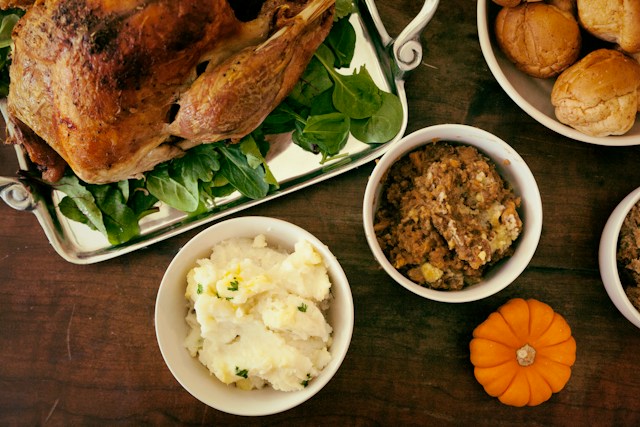
Thanksgiving is one of those holidays that seems to revolve around food, family, and the pleasure of gathering around a table. In the United States, it is traditionally celebrated on the fourth Thursday of November, with a meal that often includes roast turkey, comforting side dishes, and something sweet to finish.
But if you’ve ever hosted a holiday dinner, you probably know that the reality can involve a little more than good food and pleasant conversation. There are groceries to buy, dishes to prepare, cooking times to coordinate, and a kitchen that somehow becomes busy just when you need it most.
The good news is that a memorable Thanksgiving dinner doesn’t have to be complicated. You don’t need twelve side dishes, an elaborate table setting, or a menu that takes three days to prepare. A smaller selection of well-chosen dishes, a little planning, and a relaxed atmosphere can make the occasion feel just as special.
Whether you’re hosting Thanksgiving for the first time, preparing a meal for a small family, or simply looking for ways to make holiday cooking easier, here’s how to put together a warm and satisfying celebration without turning the day into a kitchen marathon.
1. Start With a Menu That Makes Sense for Your Gathering
The easiest way to make Thanksgiving manageable is to decide what you’re actually going to serve before you start shopping.
Traditional Thanksgiving menus can be enormous, but there’s no rule saying you need to prepare every dish you’ve ever seen in a holiday recipe collection. Think about how many people are coming, what they enjoy eating, and how much time you realistically want to spend cooking.
For a small gathering, a simple menu might include:
- One main dish: roast turkey, turkey breast, roast chicken, or a vegetarian centerpiece.
- Two or three side dishes: mashed potatoes, roasted vegetables, or a seasonal salad.
- One additional dish: stuffing, cranberry sauce, or a simple casserole.
- One dessert: pumpkin pie, apple crumble, or a homemade cake.
That’s already a lovely meal.
If you have guests with dietary restrictions, ask about them in advance. It is much easier to plan one suitable vegetarian or gluten-free dish before shopping than to improvise something at the last minute.
You can also invite guests to contribute. One person might bring dessert, another could prepare a salad, and someone else might bring drinks. Sharing the cooking makes the occasion feel more collaborative and takes some pressure off the host.
2. Choose a Main Dish That Fits Your Kitchen and Your Plans
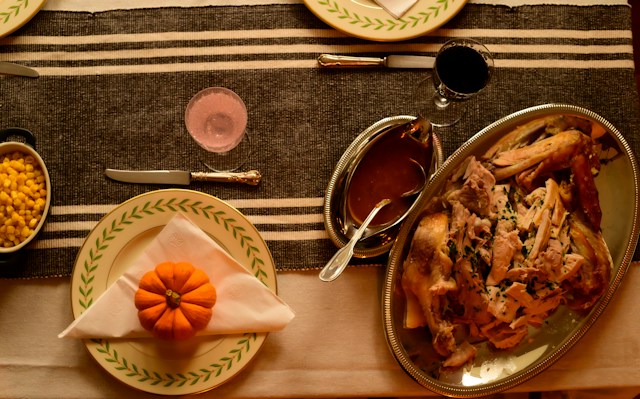
Roast turkey is probably the first thing that comes to mind when people think about Thanksgiving. It is a traditional centerpiece, but it isn’t necessarily the easiest option for every household.
A whole turkey needs enough refrigerator space, time to thaw safely, a suitable roasting pan, and an oven large enough to accommodate it. It also requires attention to cooking time and temperature.
If you’re cooking for only a few people, a turkey breast or roast chicken may be a more practical choice. You can still serve it with familiar holiday sides and enjoy the same comforting flavors without preparing a very large bird.
A vegetarian main dish is another possibility. A savory vegetable pie, stuffed squash, mushroom Wellington, or a hearty lentil bake can make a satisfying centerpiece. You don’t have to treat vegetarian food as an afterthought; it can be the highlight of the meal.
The best main dish is not necessarily the most impressive one. It is the one you can prepare confidently while still having time to enjoy your guests.
Here are some other ideas on how to make changes for the fall and all the season.
3. Pick Side Dishes You Can Prepare Ahead
Side dishes are often what make a Thanksgiving meal feel abundant. They’re also where you can save a surprising amount of time.
Choose dishes that can be prepared partly or entirely in advance. For example:
Mashed potatoes: Peel and prepare the potatoes ahead of time, then cook and mash them closer to serving. Depending on your recipe, they can also be made earlier and gently reheated.
Roasted vegetables: Chop carrots, sweet potatoes, pumpkin, or other seasonal vegetables the day before. Store them in the refrigerator and season before roasting.
Cranberry sauce: Homemade cranberry sauce can be prepared in advance and refrigerated. It is a useful addition because its sweet-tart flavor balances richer dishes.
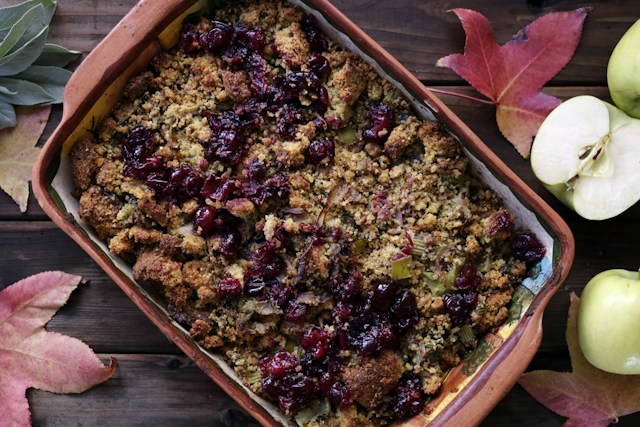
Stuffing: Prepare the ingredients ahead of time and assemble the dish in a baking pan. Cook it separately from the turkey, following a reliable food-safety recipe.
Salad: Wash and dry the greens, prepare the other ingredients, and keep the dressing separate until serving.
You don’t need to make everything from scratch, either. A good-quality store-bought sauce or dessert can be a perfectly reasonable choice. The point of a holiday meal is to enjoy it, not to prove how many hours you can spend cooking.
4. Add Something Fresh to Balance the Richer Dishes
Thanksgiving meals often feature plenty of comforting, filling food. Roast meat, creamy potatoes, buttery vegetables, gravy, and baked desserts are delicious, but a fresh dish can make the whole menu feel more balanced.
A simple seasonal salad is an easy solution. Try combining leafy greens with sliced apples or pears, toasted nuts, and a light vinaigrette. You could also add a little cheese if it suits your menu.
Roasted vegetables with lemon or fresh herbs can provide a similar contrast. Green beans, Brussels sprouts, carrots, and squash are all useful options.
You don’t need to turn the meal into a health-conscious project or remove the dishes people look forward to. Just include something fresh alongside the traditional favorites.
5. Don’t Leave Dessert Until the Last Minute
Dessert is one of the most enjoyable parts of a Thanksgiving meal, and it is also something you can prepare well before your guests arrive.
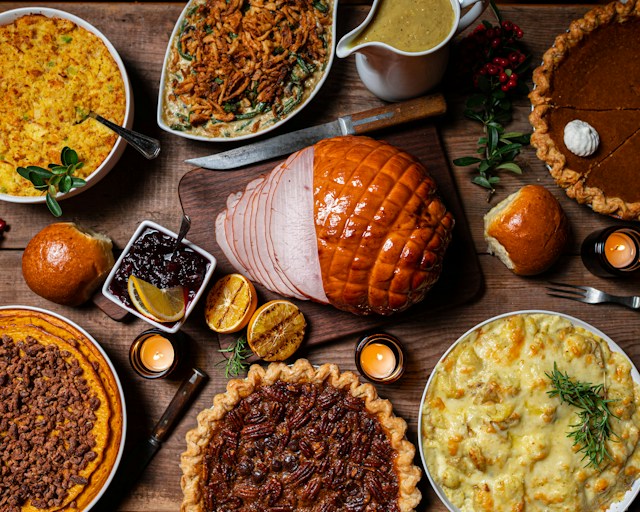
Pumpkin pie is a classic American Thanksgiving dessert, but there are plenty of alternatives if you prefer something different. Apple crumble, pecan pie, chocolate cake, brownies, or a simple homemade sponge cake can all work beautifully.
If you enjoy baking, choose a dessert you’ve made before rather than experimenting with a complicated new recipe on the day of the celebration.
A homemade cake can be especially practical because it can usually be baked in advance and served without much preparation. If you want something chocolatey and uncomplicated, our homemade Depression Cake recipe is one idea worth considering.
You could also serve a small selection of desserts rather than making one enormous centerpiece. A few slices of cake, some fruit, and coffee or tea can be more than enough.
And don’t forget that dessert doesn’t have to be homemade. Buying a pie from a local bakery is not a holiday failure. It’s simply one way to make the day easier.
6. Create a Simple Cooking Schedule
One of the biggest sources of Thanksgiving stress is trying to prepare everything at the same time.
A basic cooking schedule can help you avoid that situation. You don’t need a complicated spreadsheet; a short list of tasks divided across a few days is enough.
Two or three days before:
- Finalize the menu and check your recipes.
- Make a shopping list.
- Buy non-perishable ingredients and drinks.
- Prepare cranberry sauce or other dishes that keep well.
- Make sure you have enough serving plates and storage containers.
The day before:
- Prepare vegetables and store them safely.
- Make dessert.
- Set the table if you have space.
- Prepare any side dishes that can be assembled in advance.
- Check that the main dish is thawing safely if you’re using frozen poultry.
On Thanksgiving Day:
- Cook the main dish according to a reliable recipe and use a food thermometer.
- Reheat or finish the prepared side dishes.
- Prepare fresh salad and simple finishing touches.
- Set out drinks and make space for serving dishes.
The schedule will depend on your menu, but the principle is simple: move as many small tasks as possible away from the busiest part of the day.
7. Make the Table Feel Special Without Buying New Decorations
A Thanksgiving table doesn’t need expensive seasonal decorations to look inviting.
Start with what you already own. A neutral tablecloth, ordinary plates, cloth napkins, and a few candles or small decorative objects can create a warm setting.
For a simple autumn centerpiece, arrange a few small pumpkins, seasonal leaves, or branches in the middle of the table. You could also use a bowl of apples or pears, which can be eaten later rather than stored with holiday decorations.
If you want a more traditional look, add warm colors such as rust, burgundy, cream, and deep green. Natural textures like wood, linen, and woven baskets can make the table feel relaxed and welcoming.
Try not to make the centerpiece too large. Guests should be able to see one another and pass dishes comfortably.
If you enjoy seasonal decorating, you might also like our guide to [making your home feel warmer for fall] (insert internal link to Fall at Home: 10 Small Changes That Make Your Space Feel Warmer and More Personal).
8. Remember That Thanksgiving Is About More Than the Food
Food is an important part of Thanksgiving, but the holiday is also an opportunity to spend time together and reflect on what you’re grateful for.
You don’t need to organize elaborate activities to make the gathering meaningful. Sometimes the nicest moments happen naturally: people sharing stories, looking through old photographs, playing a board game, or sitting together after dinner with a cup of coffee.
If you’re hosting a small gathering, you could ask everyone to share one good thing that happened during the year. If that feels too formal, simply make time for conversation without rushing everyone through the meal.
You might also create a relaxed playlist, prepare a few simple games, or take a walk together after dinner if the weather allows.
And if you’re celebrating with children, a small activity such as drawing, decorating cookies, or making paper autumn leaves can help them feel involved. You can bake something easy and delicious together like a loaf of bread.
There is no single correct way to celebrate. The best traditions are often the ones that suit the people around your table.
9. Make Room for Leftovers, Too
Thanksgiving leftovers are part of the fun, but it’s worth planning for them before the meal begins.
Make sure you have enough food-storage containers and a little room in your refrigerator. Divide large quantities of food into smaller portions so they cool more quickly.
Cooked turkey and other perishable dishes should be refrigerated within two hours. The CDC recommends keeping leftovers refrigerated at 40°F (4°C) or colder and using cooked turkey within three to four days. Reheat leftovers thoroughly before serving.
For more detailed guidance on preparing and storing turkey safely, see the CDC’s holiday turkey food-safety recommendations.
And what can you do with leftover turkey? Quite a lot. It can become part of sandwiches, soups, salads, wraps, or a simple casserole the following day.
Planning a little space for leftovers means you can enjoy the meal again without having to think about another full cooking session immediately.
10. Give Yourself Permission to Keep It Simple
It’s easy to compare your holiday plans with elaborate Thanksgiving photographs online. Perfectly roasted turkeys, beautiful tables, multiple pies, and enormous family gatherings can make a simple dinner feel inadequate.
But a holiday meal doesn’t have to look like a magazine spread to be enjoyable.
You can serve three side dishes instead of seven. You can buy dessert. You can ask guests to bring something. You can even choose a main dish that isn’t turkey.
What matters is that the meal feels welcoming and that you have enough time and energy to enjoy the people you’re sharing it with.
If you’re hosting, remember that your guests are coming to spend time with you, not to inspect your kitchen or count the number of dishes on the table.
Final Thoughts: A Thanksgiving Dinner Worth Enjoying
A cozy Thanksgiving dinner doesn’t require a perfect menu or an exhausting amount of preparation. Start with a few dishes you genuinely enjoy, choose recipes that fit your schedule, and prepare as much as you reasonably can in advance.
Add a simple table setting, something fresh, and a dessert everyone can look forward to. Leave room for conversation, unexpected moments, and perhaps a little extra pie the next day.
The most memorable holiday meals are rarely about how much food was served or how impressive everything looked. They’re about feeling welcome, sharing something delicious, and making time for the people who matter.