This post contains affiliate links.
When you buy something using these retail links, we may get a commission.
Reptiles are becoming increasingly popular as pets — and it’s easy to see why. They are quiet, fascinating, and often require less day-to-day interaction than traditional pets like cats or dogs.
However, reptiles have very specific needs, and proper care is essential for their health and well-being.
If you’re thinking about getting a reptile, this beginner-friendly guide will help you understand the basics.
Why Choose a Reptile as a Pet?
Reptiles can be a great choice if you:
- Prefer a low-noise environment
- Have limited space
- Enjoy observing rather than constant interaction
- Want a unique and interesting pet
Common beginner-friendly reptiles include:
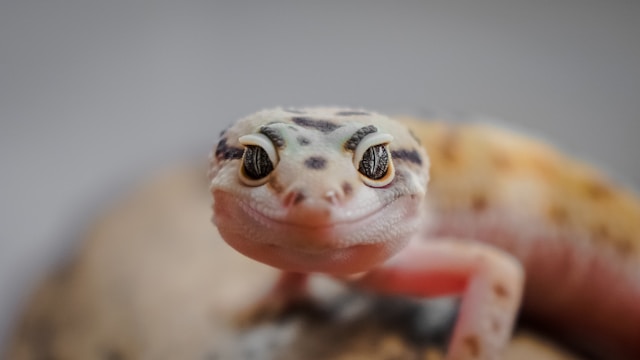
- Geckos
- Bearded dragons
- Corn snakes
Understanding Their Environment
Unlike cats or dogs, reptiles depend completely on their environment to regulate their body.
This means you must carefully manage:
Temperature
Reptiles need a temperature gradient:
- warm side
- cool side
This allows them to move and regulate their body heat.
Lighting
Many reptiles require:
- UVB lighting
- a regular day/night cycle
This is essential for:
- bone health
- overall well-being
Humidity
Different species need different humidity levels.
For example:
- tropical reptiles need higher humidity
- desert reptiles need dry conditions
Feeding Basics
Reptile diets vary depending on the species.
Some eat:
- insects
- vegetables
- small animals
It’s important to:
- research your specific reptile
- provide a balanced diet
- avoid overfeeding
Handling and Interaction
Reptiles are not typically “cuddly” pets.
However:
- many can get used to gentle handling
- consistency helps them feel safe
Important tips:
- move slowly
- avoid sudden movements
- respect their space
Common Beginner Mistakes
Here are a few things to avoid:
- Incorrect temperature setup
- Poor lighting
- Inadequate research before buying
- Choosing a reptile that is too advanced
Choosing the Right Supplies
Having the right setup makes all the difference.
You’ll need:
- a proper enclosure
- heating elements
- lighting
- substrate
- food and supplements
Choosing quality products from a specialized reptile store can help ensure your pet’s safety and comfort.
Final Thoughts
Reptiles can be incredibly rewarding pets — but they require responsibility and attention to detail.
If you take the time to:
- learn their needs
- create the right environment
- care for them consistently
you’ll have a healthy and fascinating companion for years to come.