
This post contains affiliate links.
When you buy something using these retail links, we may get a commission.
Have you ever bought something you didn’t really need, only to realize a few days later that the excitement had already disappeared?
You’re not alone.
In recent years, more people have started questioning the habit of buying simply because something is on sale, trending on social media, or advertised as a “must-have.” Instead, they’re embracing a low-buy lifestyle—a way of living that focuses on buying intentionally rather than impulsively.
Unlike extreme minimalism or strict budgeting, a low-buy lifestyle isn’t about never spending money. It’s about making thoughtful decisions and ensuring that the things you bring into your life truly add value.
As living costs continue to rise in many parts of the world, this mindset has become even more relevant in 2026.
What Is a Low-Buy Lifestyle?
A low-buy lifestyle means reducing unnecessary purchases while continuing to buy what genuinely improves your daily life.
It’s different from a “no-buy challenge,” where people try not to spend money at all for a certain period.
Instead, a low-buy approach encourages you to ask simple questions before buying something:
- Do I really need it?
- Will I still use it six months from now?
- Do I already own something similar?
- Am I buying this because I want it—or because I saw an advertisement?
These questions don’t eliminate shopping. They simply make it more intentional.
Why the Low-Buy Lifestyle Is Becoming Popular in 2026
There are several reasons why this movement continues to grow.
Many people are becoming more aware of:
- rising living expenses
- environmental concerns
- digital advertising overload
- clutter at home
- the mental fatigue that comes from owning too much
At the same time, people are realizing that happiness doesn’t necessarily increase with every new purchase.
Owning fewer—but better—things often creates a calmer and more organized home.
1. Start by Tracking Your Purchases
You don’t need complicated budgeting software.
For one month, simply write down everything you buy.
Include:
- groceries
- coffee
- online shopping
- subscriptions
- impulse purchases
At the end of the month, look for patterns.
You may discover spending habits you never noticed before.
2. Create a 48-Hour Rule
One of the easiest ways to reduce impulse buying is surprisingly simple.
Before purchasing anything that isn’t essential, wait 48 hours.
During that time, ask yourself:
- Do I still want it?
- Will it improve my life?
- Am I buying it because I’m bored?
Very often, the desire disappears on its own.
3. Buy Better, Not More
The goal isn’t always spending less.
Sometimes it means buying higher-quality products that last longer.
For example:
- a durable backpack
- a comfortable pair of shoes
- a reusable water bottle
- quality kitchen tools
These purchases may cost more initially but often save money over time.
4. Declutter Before You Shop
Before buying something new, look through your home.
You may already own:
- similar clothing
- unused notebooks
- kitchen gadgets
- skincare products
- beauty items
Seeing what you already have often reduces the desire to buy more.
5. Unsubscribe From Shopping Emails
Retailers are very good at creating urgency.
“Last chance.”
“Limited edition.”
“Only today.”
The truth is that another sale usually arrives next week.
Reducing marketing emails can significantly reduce temptation.
6. Focus on Experiences Instead of Things
Many of our happiest memories aren’t connected to purchases.
Instead, they come from experiences like:
- baking homemade bread
- walking in nature
- spending time with family
- reading a good book
- visiting a local market
- enjoying a quiet morning coffee
These moments often stay with us much longer than a new gadget or decoration.
7. Build a Wishlist Instead of Buying Immediately
Whenever you want something, write it on a wishlist.
Review it once a month.
You’ll probably notice that many items no longer seem important.
The ones that remain are usually purchases worth considering.
8. Appreciate What You Already Own
This habit sounds simple, but it can completely change your mindset.
Instead of asking:
“What else do I need?”
Try asking:
“What do I already have that I enjoy?”
This shift encourages gratitude and makes your home feel more abundant.
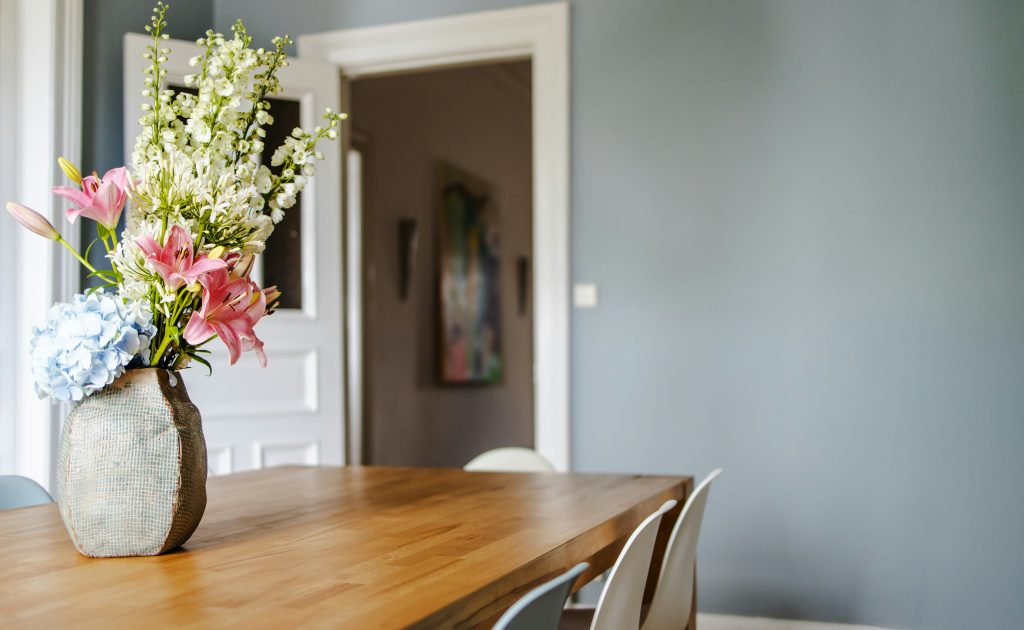
9. Make Your Home More Enjoyable
A low-buy lifestyle doesn’t mean making life boring.
Instead of shopping, consider improving your home in simple ways.
For example:
- bake fresh bread
- grow herbs on a windowsill
- rearrange furniture
- organize a bookshelf
- create a cozy reading corner
Small improvements often feel more rewarding than buying new things.
10. Spend Intentionally on What Truly Matters
One misconception about a low-buy lifestyle is that it’s about denying yourself everything.
It isn’t.
In fact, many people find they enjoy spending more on things they truly value because they waste less on impulse purchases.
For example, you might decide to invest in:
- quality skincare
- comfortable travel gear
- books you’ll actually read
- hobbies you genuinely enjoy
Buying less can actually make these meaningful purchases feel even more worthwhile.

The Emotional Benefits of a Low-Buy Lifestyle
While saving money is an obvious advantage, many people notice emotional benefits as well.
Living with less unnecessary clutter can help you feel:
- calmer
- more organized
- less overwhelmed
- more grateful
- more intentional
Rather than constantly chasing the next purchase, you begin appreciating the things you already have.
Small Changes Can Make a Big Difference
You don’t have to become a minimalist overnight.
Try one small habit this week:
- wait 48 hours before buying something non-essential
- unsubscribe from five shopping newsletters
- organize one drawer before buying new storage
- use what you already have before replacing it
These tiny changes add up surprisingly quickly.
Final Thoughts
A low-buy lifestyle isn’t about restriction.
It’s about choosing quality over quantity, experiences over impulse purchases, and intention over habit.
By slowing down and asking a few simple questions before you buy, you may discover that you already have much of what you need.
Ironically, buying less often leads to feeling like you have more.
Related Articles
If you’re working toward a calmer and more intentional lifestyle, you may also enjoy:
- Digital Decluttering in 2026: 10 Simple Ways to Reduce Screen Stress
- The Art of the Summer Slowdown: Why Doing Less Can Improve Your Well-Being
- Slow Mornings in a Fast World: Simple Habits That Make Daily Life Feel Calmer
- Summer Morning Routine: 8 Healthy Habits to Start Your Day Feeling Energized
For additional practical tips on reducing household waste and making more sustainable choices, you can address:
United Nations – Sustainable Living